How GPS Tracking Software Helps Stop Fuel Theft in Fleets
A truck returns to the yard with less fuel than expected. The fuel card shows a legitimate purchase. The driver says the route was normal. The mileage looks reasonable. Yet the numbers still do not add up. Was fuel siphoned? Was the company card used for another vehicle? Was the truck idling for hours? Is there a leak or is the fuel sensor simply wrong?
That is the real difficulty with fuel loss: the missing fuel is visible; the reason behind it often is not. GPS tracking software helps close that gap. But GPS alone cannot measure what is inside a fuel tank. The stronger approach combines vehicle location and activity with fuel-level data, refuelling transactions, ignition status, stops, routes, and alerts. The result is not automatic proof of theft. It is something more useful: an event that can actually be investigated.
GPS Tracking Alone Does Not Detect Fuel Theft
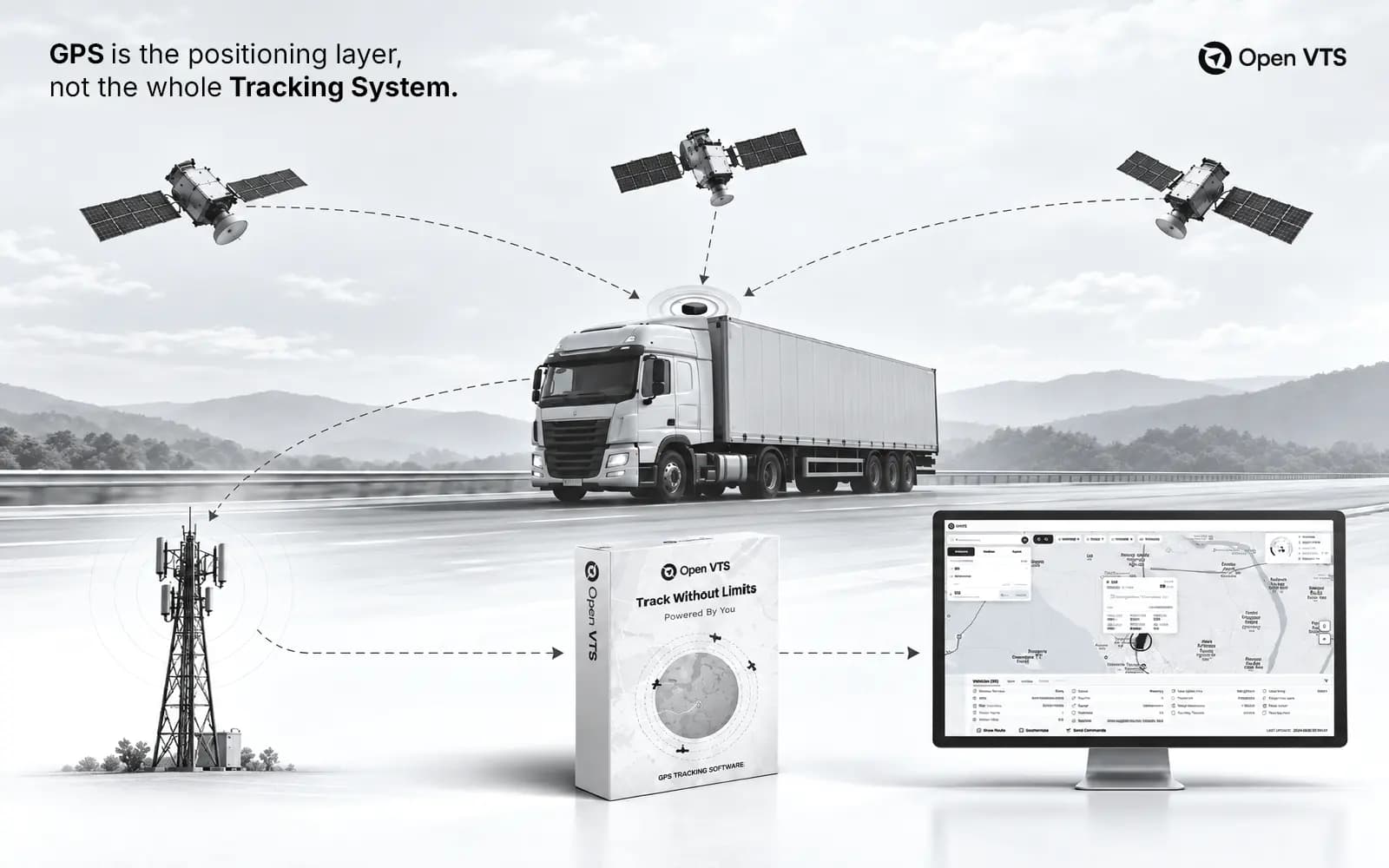
GPS answers questions about where and when. Where was the vehicle? When did it stop? How long was it there? Was it on the assigned route? Was it moving outside working hours? To understand what happened to the fuel itself, fleets need another data source. Depending on the vehicle and installation, that may come from a dedicated tank-level sensor, the vehicle's CAN/ECU data, OEM telematics, or another compatible fuel-monitoring device. Fuel-card data adds another layer by recording when, where, how much, and sometimes what type of fuel was purchased. Combining transaction and telematics data can reveal purchases that do not match actual vehicle activity. Think of the system as:
GPS context + fuel measurement + transaction data = a much stronger investigation trail.
First, Separate Theft From Fuel Waste
One of the biggest mistakes in fuel monitoring is treating every unexplained litre as theft. This distinction matters. Fuel monitoring should create evidence for investigation not accusations from a dashboard.
| What happened? | What it could indicate |
|---|---|
| Sudden tank-level drop while parked | Possible siphoning, leak, sensor issue |
| Fuel-card purchase while vehicle is elsewhere | Possible card misuse or transaction mismatch |
| High fuel use with heavy idling | Operational waste |
| After-hours vehicle movement | Unauthorized use requiring review |
| Consumption rises gradually | Driving, load, maintenance or mechanical issue |
| Irregular fuel-level readings | Calibration, tank geometry or sensor problem |
How GPS Tracking Software Helps Detect Suspicious Fuel Activity
The real power comes from correlation. One unusual signal may mean very little. Several signals occurring together can tell a very different story.
1. Detect Sudden Fuel-Level Drops
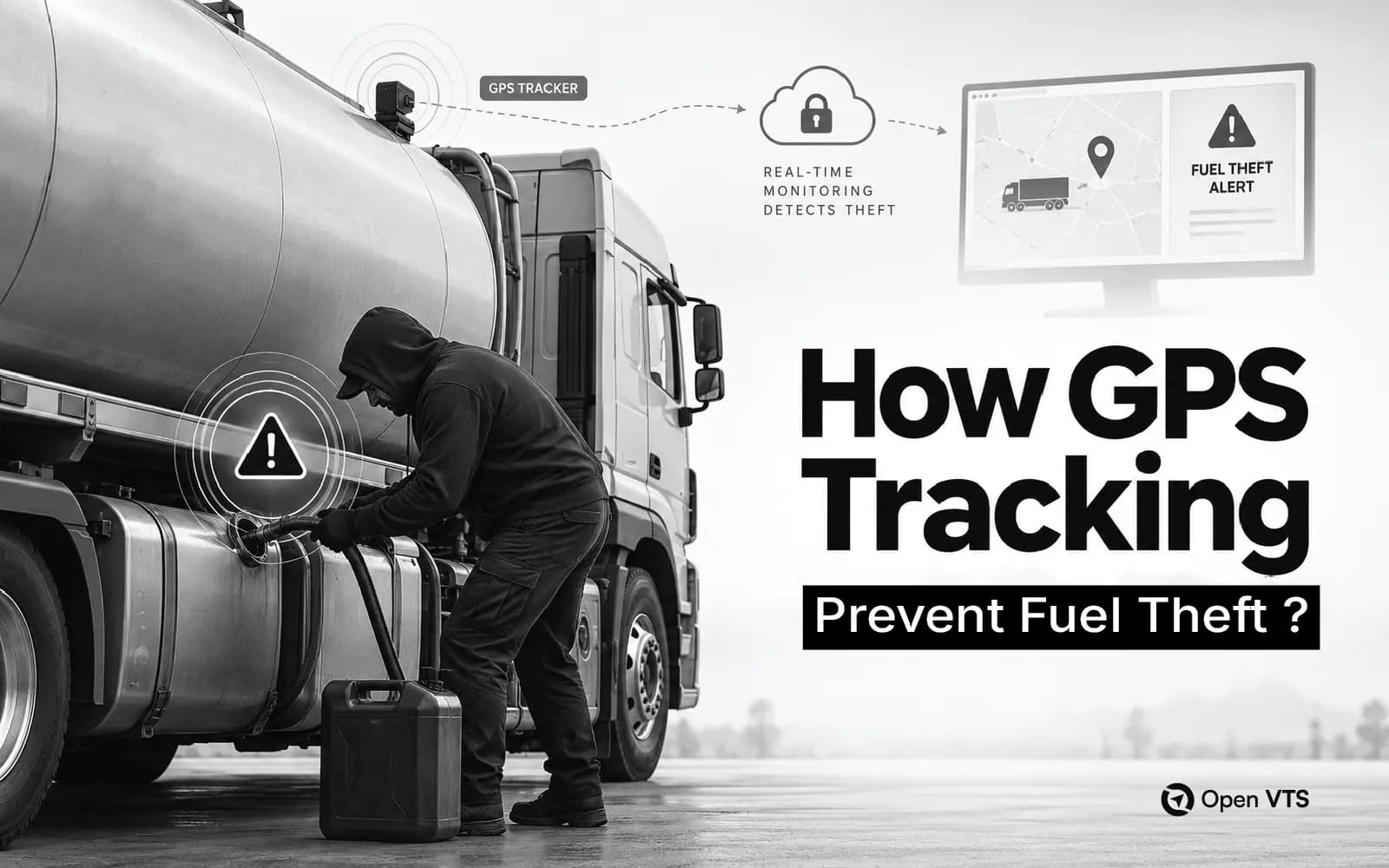
With compatible fuel-level data, software can identify an unusual decrease over a short period. Now add context. If the vehicle was parked, ignition was off, no authorized fuel activity was expected, and the tank level dropped sharply, the event deserves attention. Commercial telematics systems already use sudden fuel-level changes as potential theft indicators. But it is still an indicator, not a verdict.
2. Match Fuel Purchases With Vehicle Location
This is particularly powerful for fuel-card fraud. Suppose a company card records a purchase at Station A at 10:42 AM. GPS history shows the assigned truck was several kilometres away. That mismatch immediately gives the fleet manager something concrete to investigate. Some fuel-card systems go further by validating vehicle location or tank information during authorization, while transaction controls can restrict purchases by amount, volume, time, or other rules.
3. Monitor Unauthorized Stops and Fuelling Locations
Geofences can be created around depots, approved stations, customer sites, or restricted areas. An unexpected stop does not prove fuel theft. But an unauthorized stop followed by a significant fuel-level change is far more meaningful than either event viewed separately. Route history adds the timeline: where the vehicle went, when it stopped, how long it stayed, and what changed during that stop.
4. Identify After-Hours and Unauthorized Vehicle Use
Sometimes the fuel was genuinely consumed but not for business. After-hours movement, unexplained mileage, route deviations, or repeated personal stops can reveal unauthorized vehicle use. That is a different problem from siphoning, but financially the result can look similar: the business pays for fuel that did not support legitimate operations.
5. Compare Consumption With Actual Activity
A useful system should help managers compare fuel use against distance, engine hours, routes, vehicle type, and operating conditions. A truck hauling heavy loads cannot be judged against a lightly loaded van. Likewise, higher consumption does not automatically mean theft. The goal is to establish a reasonable baseline and investigate meaningful deviations from that baseline, rather than treating every variation as suspicious.
6. Separate Idling From Theft
Long idling burns fuel without moving the vehicle. GPS and telematics systems can identify when a vehicle remains stationary while the engine continues running, helping managers distinguish operational waste from unexplained tank loss. WEX, for example, describes telematics as a way to monitor idling alongside vehicle and fuel activity. That distinction leads to better action: theft requires investigation; excessive idling requires operational correction or coaching.
From Alert to Evidence: The Investigation Workflow
A well-designed fuel alert should start an investigation, not finish one. When an abnormal fuel event appears:
- 1Confirm the fuel change. Was the drop large enough and persistent enough to matter?
- 2Check location and ignition. Where was the vehicle, and was the engine running?
- 3Review the stop and route history. Was the location expected?
- 4Match fuel transactions. Was there a legitimate refill or fuel-card purchase?
- 5Rule out technical causes. Check sensor quality, calibration, connectivity and missing data.
- 6Document the event before acting.
This workflow turns “fuel is missing” into a sequence of verifiable facts.
Why Fuel Alerts Can Be Wrong
Fuel is difficult to measure perfectly inside a moving vehicle. Road incline, fuel sloshing, irregular tank shapes, dual tanks, sensor calibration, reporting intervals, connectivity gaps, refuelling, temperature effects, and differences in OEM/CAN data can all affect readings. That is why thresholds matter. A poorly configured system can generate so many alerts that managers eventually ignore them. A strong deployment uses vehicle-specific calibration, sensible thresholds, adequate sampling, and correlation with other data before escalating an event.
The goal is not maximum alerts. It is maximum confidence in the alerts that matter.
What to Look for in a Fuel-Monitoring Setup
Before buying hardware or software, verify the complete chain and test the setup on representative vehicles before deploying it fleet-wide.
- Which fuel source will be used: tank sensor, CAN/ECU, OEM data, or another input?
- Does the tracker support that data accurately for the specific vehicle?
- Can thresholds and alerts be configured by vehicle or tank?
- Can you correlate fuel events with GPS, ignition, stops and geofences?
- Can fuel-card or transaction data be integrated?
- Are history, exports and audit records available for investigations?
- What happens when connectivity disappears?
- How are devices and sensors protected against tampering?
Where Open VTS Fits
Open VTS is a self-hosted GPS fleet platform with live tracking, route replay, geofences, alerts, telemetry access and a documented REST API. Its API also exposes vehicle sensor and event data. For fuel monitoring, however, businesses should verify that the specific tracker, protocol and required fuel data fields are supported before procurement. A tracking platform cannot analyse fuel information that the hardware never measures or transmits. That principle applies regardless of which fleet platform you choose.
Turn Fuel Loss Into Something You Can Investigate
Fuel theft thrives in gaps between systems. GPS knows where the vehicle was. A fuel sensor can show what changed in the tank. A fuel card records what was purchased. Route and ignition history explain what the vehicle was doing. Individually, each tells part of the story. Bring them together, and unexplained fuel loss stops being a suspicion. It becomes an event you can trace, verify, and act on.